WHAT KEEPS ATLANTA DRIFTING ALIVE
As local access shifts nationwide, Atlanta’s drifting community continues to adapt, showing that what holds a scene together isn’t a place, but the people behind it.
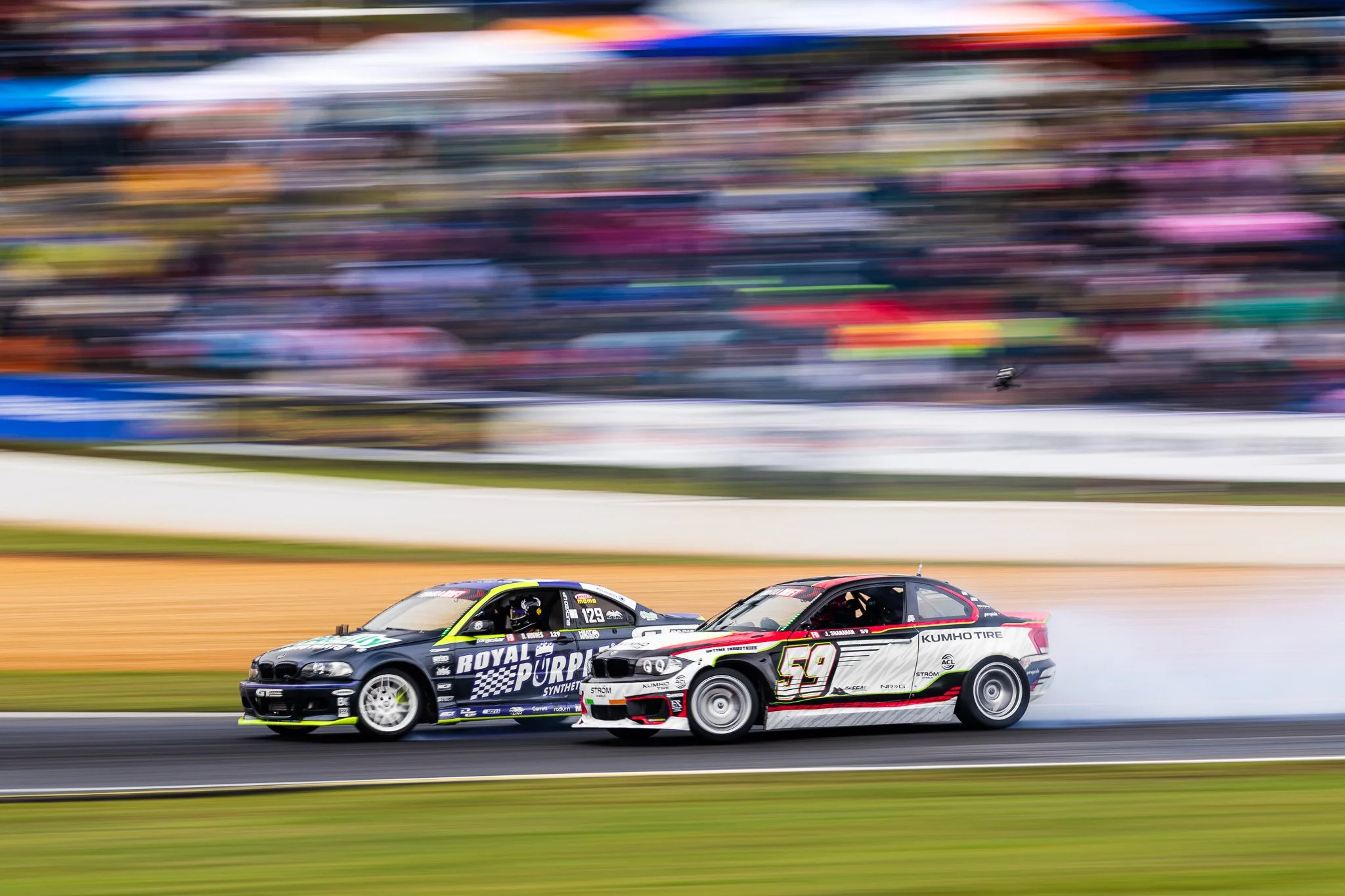
Photo courtesy of DRIFTEM Correspondent Tim Jarvis.
Formula DRIFT Atlanta 2025.
A Drifting Community At The Core.
The sights and sounds of the racetrack on a Friday night are hard to beat. For many, it’s the release at the end of a long week; the chance to reconnect with friends, get seat time, and be part of something bigger. Whether your flavor is top-fuel drag racing, time attack or burning up tires with the drifters, motorsports has always been as much about community as it is competition.
Recently, weekends have been looking a little different in Atlanta, GA. - the birthplace of Formula DRIFT North America (FD) back in 2004. For years, Lanier Raceway, located just across from Michelin Raceway Road Atlanta, served as a consistent drift hub, offering a low barrier to entry for drivers of all skill levels. However, in 2025, after over four decades of operation, the track closed its doors, leaving a gap that many in the community are still working to navigate.
The Atlanta drift scene, however, hasn’t disappeared. If anything, it’s being tested like many racing communities around the country, forcing drivers to adapt to shifting track access.
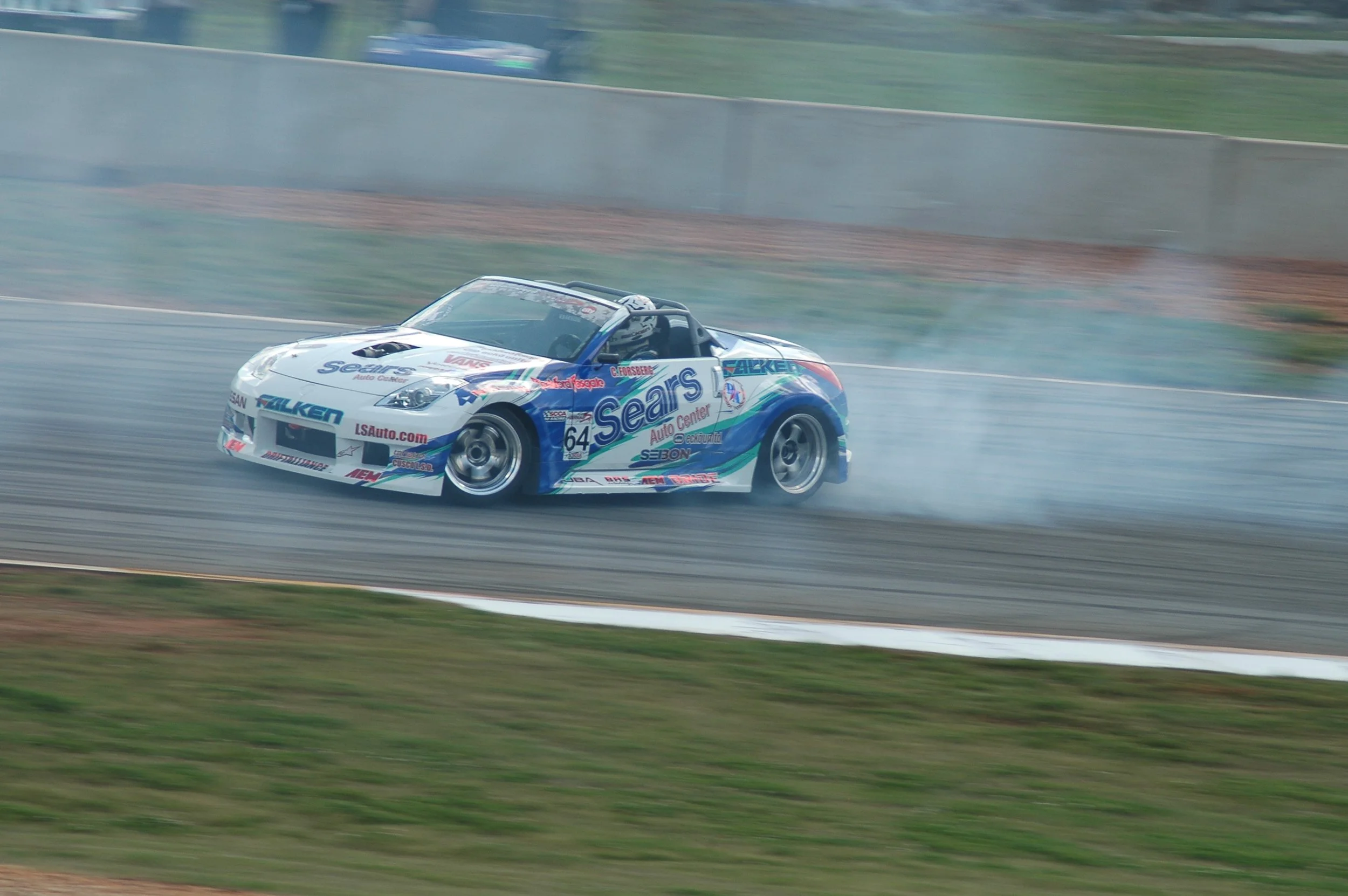
Photo courtesy of Cody Wellons.
Chris Forsberg competing at FD Road Atlanta in his Nissan 350Z, 2006.
Atlanta Drifting Is American Drifting.
Atlanta’s role in drifting goes far beyond a local scene. It’s part of the sport’s foundation in the United States. When FD launched its inaugural season in 2004, it did so at Michelin Raceway Road Atlanta, helping to cement the region as one of the most influential in drifting history.
“Atlanta is the birthplace of FD,” said Formula DRIFT announcer Jared DeAnda. “Road Atlanta took an early interest and invested in the sport… you ask any drifter across the world, and they’ll say Irwindale (RIP) or Road Atlanta.”
While Road Atlanta remains one of the most iconic venues in drifting, it has never served as a regular home for grassroots drivers looking for consistent seat time.
That distinction highlights how important the grassroots scene is for both global recognition and success for the sport at the professional level.
“Grassroots is the future of sports…. skateboarding, BMX, moto & karting into motorsports,” DeAnda explained. “It builds talent, professionalism, and branding/personality.”
While access to venues may change over time, that foundation remains. “They’ll find a way,” DeAnda said of developing drivers and local scenes. “We’ve seen it with action sports - there needs to be an advocate or a passionate group of loyalists that can create a place to play."
Atlanta has long been one of those places that continues to be driven by a community that’s not afraid to evolve. That resilience continues to define the scene, whether it’s getting a car running at the last minute or finding a legal place to drive.
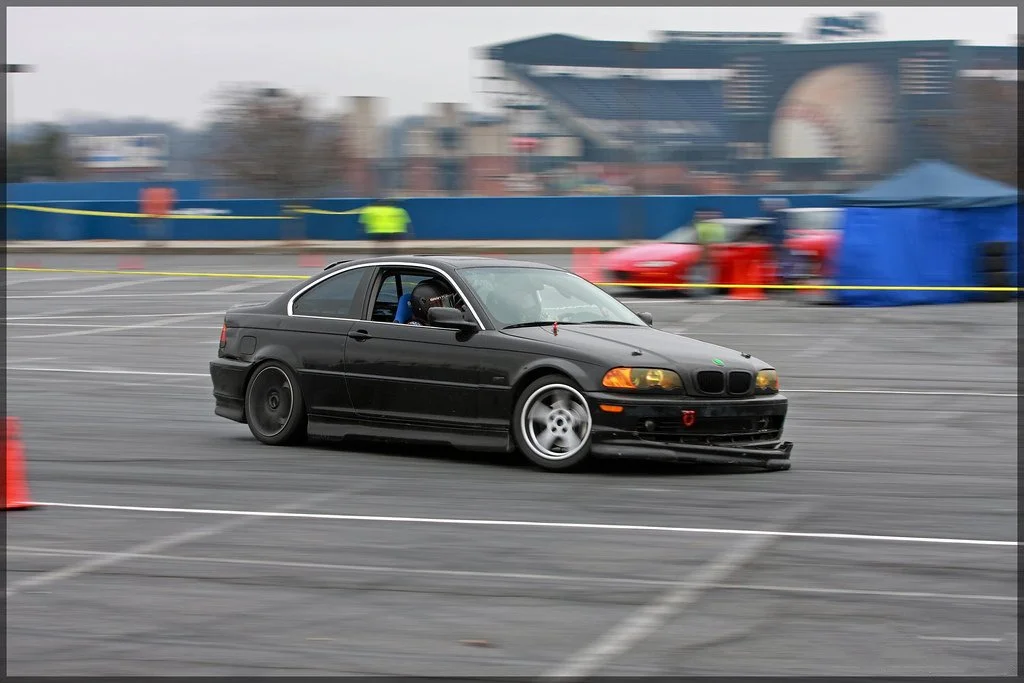
Photo courtesy of Halston Pitman.
Andy Sapp driving Turner Field “Kiss Kiss Drift” Valentines Day event, 2009.
How Atlanta Built Its Drift Scene.
If you ask the OGs about the early days of Atlanta drifting beyond FD, you’ll hear stories of Turner Field, Atlanta Motor Speedway (now EchoPark Speedway), and Cordele Motor Speedway, as well as groups like Team Rowdy. Passionate groups of individuals helped shape the scene, but events were often scattered throughout the year, and consistent seat time wasn’t guaranteed.
There’s so many stories that could be told (and were told in putting this article together), but it’s nearly impossible to include them all. It’s just a testament to how deeply rooted the Atlanta drift scene is and how incredibly dedicated the people here have been to growing the sport. You’ll hear from just a few voices that were a part of that story and agreed to be interviewed.
For many drivers in north Georgia, Lanier Raceway eventually filled the gap that the region had long faced: a consistent place to drive. While there’s no shortage of tracks within a two-to-three-hour radius, Atlanta itself lacked a central hub that hosted frequent, accessible events, especially for those without a truck and trailer.
“From when I started out, up until 2016, local drift events were typically sporadic at best - almost always in parking lots,” said local drifter Eli Levine. “Basically someone would post on 240 Atlanta about having a drift event in a parking lot with cones, and we would start dumpster diving at NTB for tires.”
At the same time, others remember a more structured early scene taking shape. In the early days, organizations like Southeast Drift (SEDA) were hosting regular grassroots events at Turner Field, giving drivers consistent opportunities to compete and progress.
“We had two or three options for drift events every month,” said local driver Corey Reece, who was active during that era. Beyond the track, the culture defined the scene just as much as the driving itself.
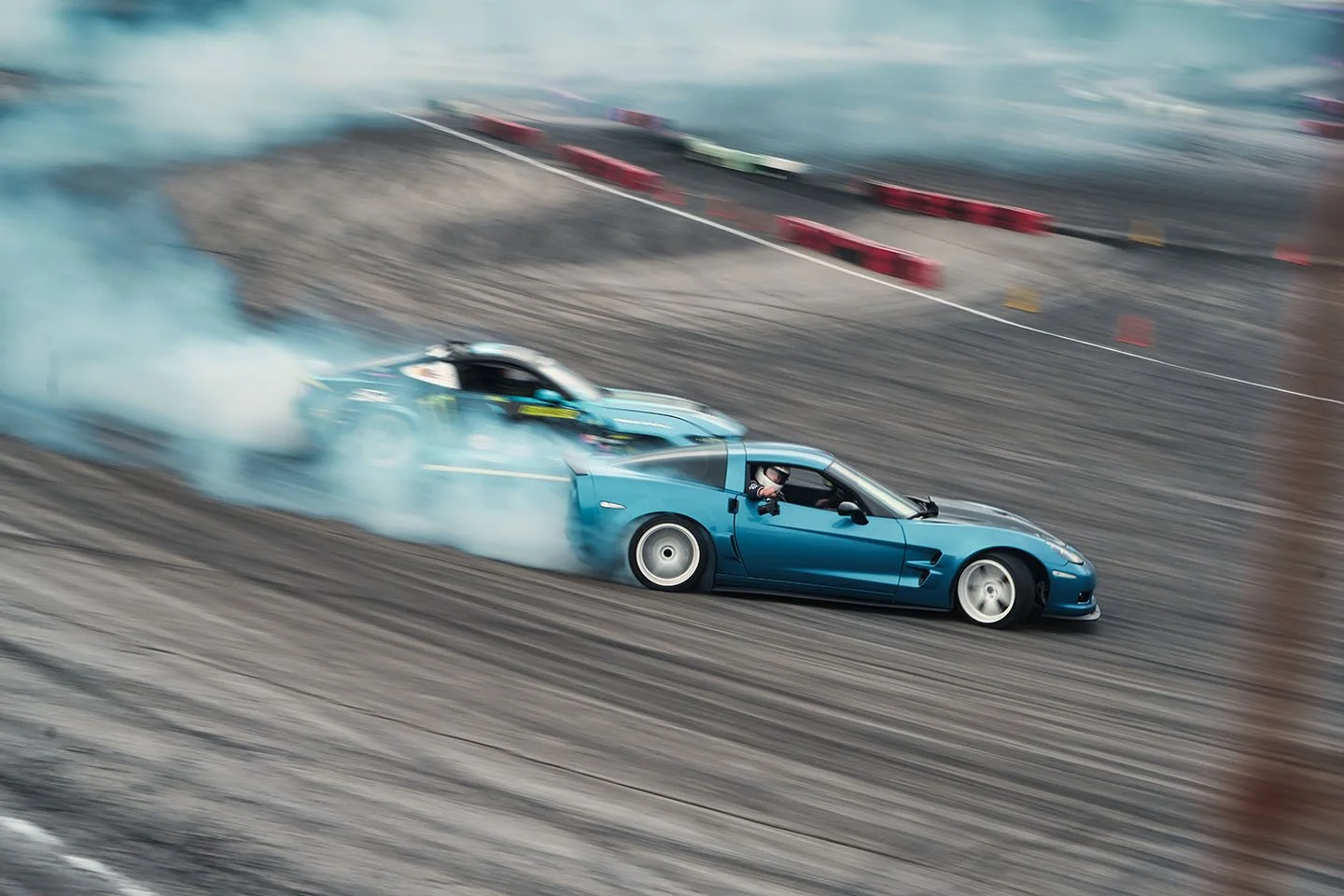
Photo courtesy of DRIFTEM Correspondent Brent Johnson.
RTR Mustang and local drifter driving an event at Lanier Raceway.
“Performance shops were everywhere, and the community was focused on fun rather than social media clout,” Reece said. “We worked on each other’s cars, celebrated progress, and spent the week getting ready for the next event.”
That foundation set the stage for what was to come. When Lanier started hosting regular drift events, the impact was almost immediate.
Levine recalled that it, “just exploded from there,” giving a community a place to gather regularly, improve, and stay connected.
For newer drivers especially, that kind of accessibility can make all the difference. Not everyone has the resources to travel long distances for seat time. Many are still driving their cars to events, loading up tools, jacks, and spare tires wherever they can fit them.
As the saying goes, everyone has to start somewhere. For many in Atlanta, places like Lanier weren’t just convenient, they were foundational. They created an environment where drivers could show up, learn, and be part of something that extended beyond the track itself.
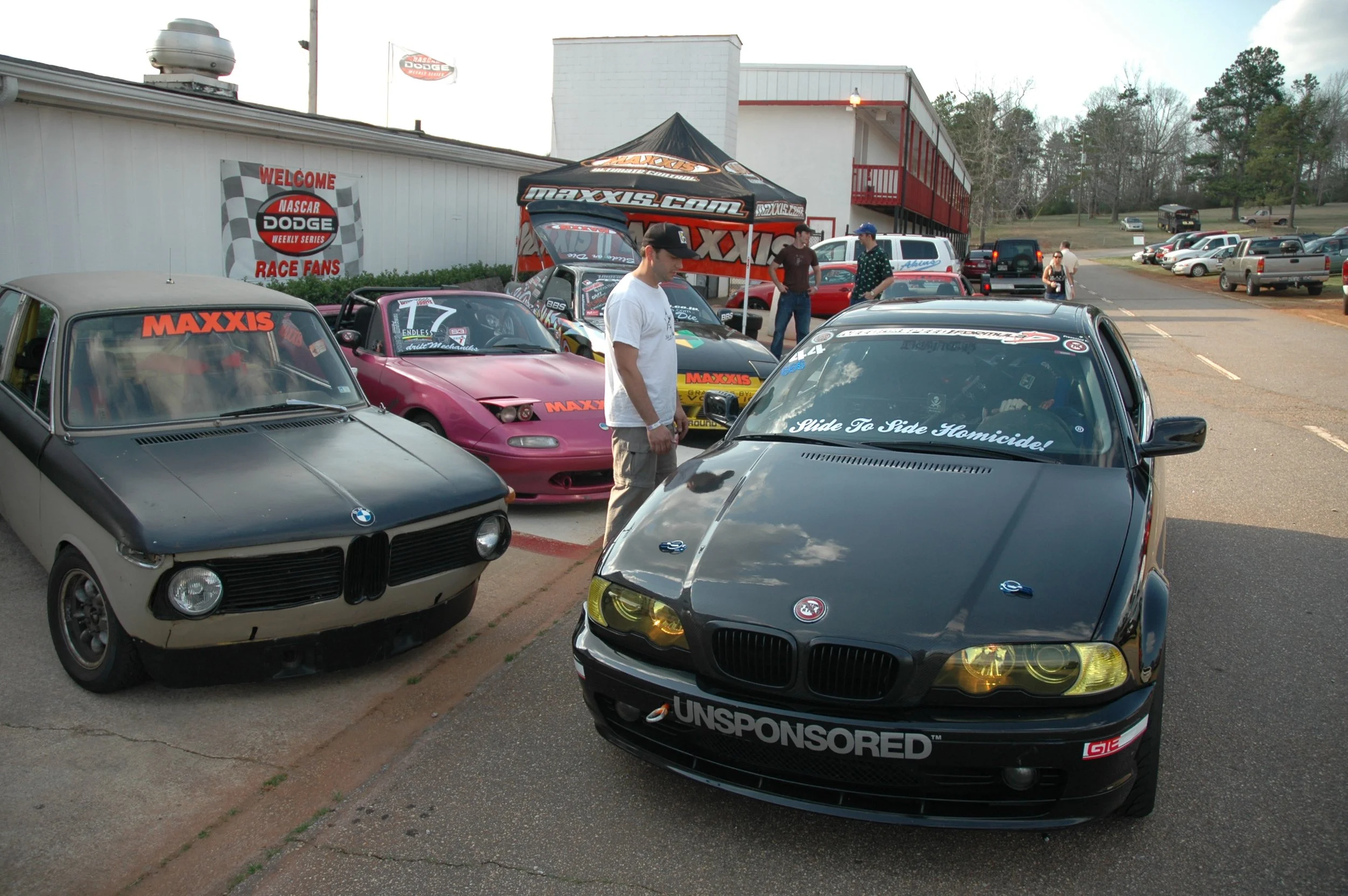
Photo courtesy of Cody Wellons.
Drifting demo held during Lanier Raceway circle track event, 2006
What Access Means for Grassroots Drifters.
When access to a consistent local track changes, the impact isn’t always immediate, but it reshapes how a community participates. For many drivers, it means traveling farther, planning further in advance, and taking on added costs just to stay involved.
For newer drivers like Andrew Rodriguez, that shift shows up in the details. Events are harder to find consistently, often spaced out to once a month, and attending them requires more coordination. “Me and my friends usually travel together, so a lot of planning a month or a few weeks before the event,” he said. “Finding an Airbnb, freeing up my schedule… so, kinda stressful.”
Travel itself has become part of the routine. “As of right now, two-to-four hours,” Rodriguez said. “But I do consider driving six-plus hours for an event.”
That level of commitment highlights a harsh reality that not everyone has the ability to go that far. For those just starting out, that added distance can slow progress.
“I didn’t start on a simulator or have any availability to get seat time in a friend’s car, so this really slows my progress down,” said Rodriguez.
For others, the shift has significantly reduced how often they’re able to drive.
“With Lanier, I was doing eight to twelve events a year,” said Atlanta driver Sean Stewart. “Now it’s maybe two-to-four.”
At the same time, more experienced drivers are adjusting in their own way. Kurtis Hall, a longtime Atlanta drifter and crew for FD driver Andy Hateley, says travel has always been a part of the experience. “We did a long run of three-plus hour travel to events before Lanier opened up again, so it conditioned me to not see much as too far,” he explained.
Even now, that hasn’t stopped him from staying active. “It’s a lot of traveling around, which adds some cost for sure, compared to ‘down the street’ like Lanier was,” Hall said, noting that events across the Southeast still offer opportunities for those willing to make the trip.
For many, that kind of accessibility is what makes participation possible in the first place.
“Local events are a MUST,” said Atlanta drifter and industry veteran Gregg Bucell. “Not every drifter has a truck and trailer to get their cars to bigger events… most drivers at locally promoted events still street-drive their cars.”
That contrast highlights the broader reality: Access doesn’t just determine where people drive, it shapes who is able to participate, how often they progress, and what the next generation of drivers looks like. As Bucell described it, “We don’t just lose a place to drive; we also lose drivers.”
Despite those challenges, the motivation to stay involved is far from gone.
“What makes it worthwhile is the joy I get or the joy others get when they get to ride in a drift car. The community is so welcoming and supportive,” confirmed Rodriguez.
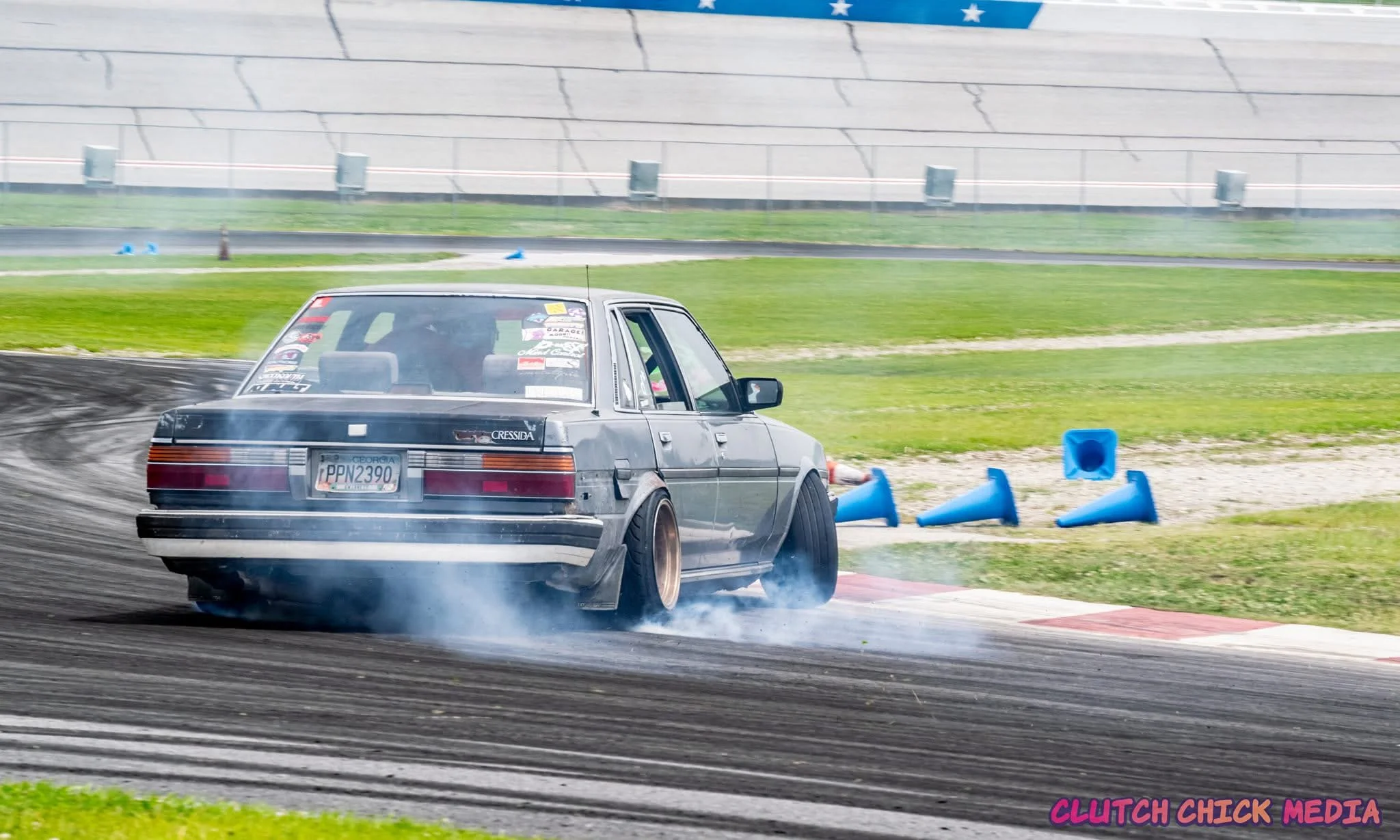
Photo by DRIFTEM Correspondent Taylor Fitzgerald.
Kurtis Hall drifting the 2020 Catch My Drift event at Atlanta Motor Speedway.
Localized Drifting Is All About Growth, Sustainability, and Reality.
While access plays a critical role in keeping a drift scene alive, it’s never a guarantee. At the end of the day, racetracks are businesses that need to remain sustainable to keep operating. Even when a venue provides consistent opportunities to drive, issues such as participation, safety, and event management all play a role in long-term success.
At Lanier Raceway, strong attendance and frequent events helped fuel the growth of Atlanta’s drifting community. According to former Lanier drift coordinator Joey Himel, that consistency also came with some tradeoffs, highlighting that even something positive can become difficult to sustain over time.
“Frequency was a big part of the tapering off,” Himel explained. “It created a culture of ‘I can just go next week.’”
That same pattern was visible from the ground level as well. Tyler Zeigler, who served as a primary tire changer at Lanier, saw firsthand how turnout fluctuated from week to week.
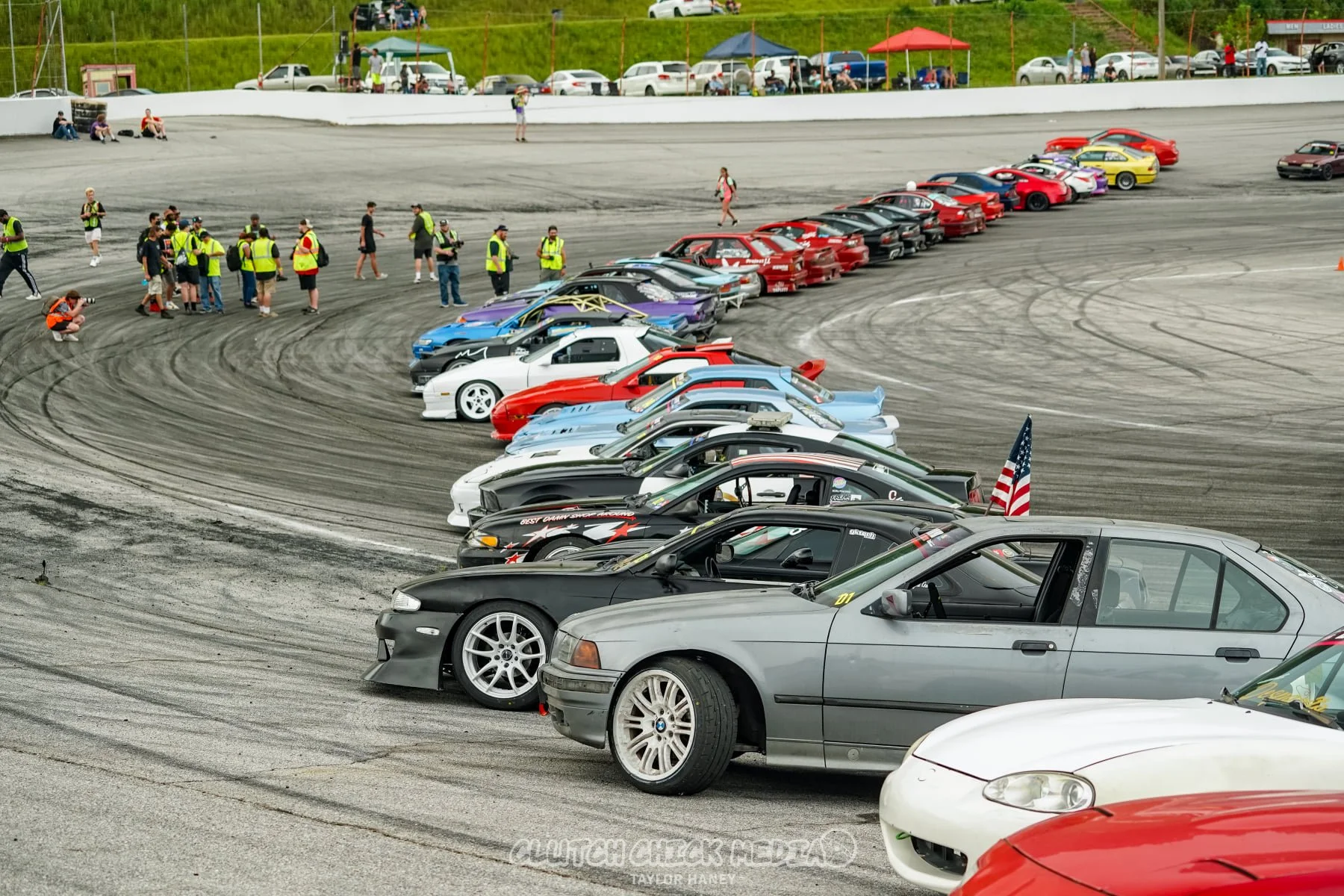
Photo courtesy of DRIFTEM Correspondent Taylor Fitzgerald.
Car lineup during Excite GP event at Lanier Raceway, 2021.
“On busy nights, it felt like a packed party. On slow nights, it was like a private practice day,” Zeigler said. “If you know there’s an event any time, you may not be as motivated to make certain ones.”
Despite the inconsistency, Zeigler still viewed the scene as healthy overall, pointing to a strong core group of drivers who continued to show up.
Over time, other factors began to surface as well. Himel noted how an increase in complaints surrounding track conditions, staffing, and on-track incidents can gradually influence how drivers choose to participate. This doesn’t diminish what the track provided, but it reinforces an important reality: building and maintaining a sustainable grassroots scene requires more than just access. It takes structure, consistency in operations, and a shared level of accountability from both organizers and participants.
Participation itself also determines whether events can continue. As drivers travel farther or attend less frequently, that shift can create a ripple effect that impacts turnout, event viability, and ultimately, the ability for tracks to keep hosting drifting altogether.
Striking that balance isn’t easy. Access fuels growth, but sustainability is what determines whether that growth can last.
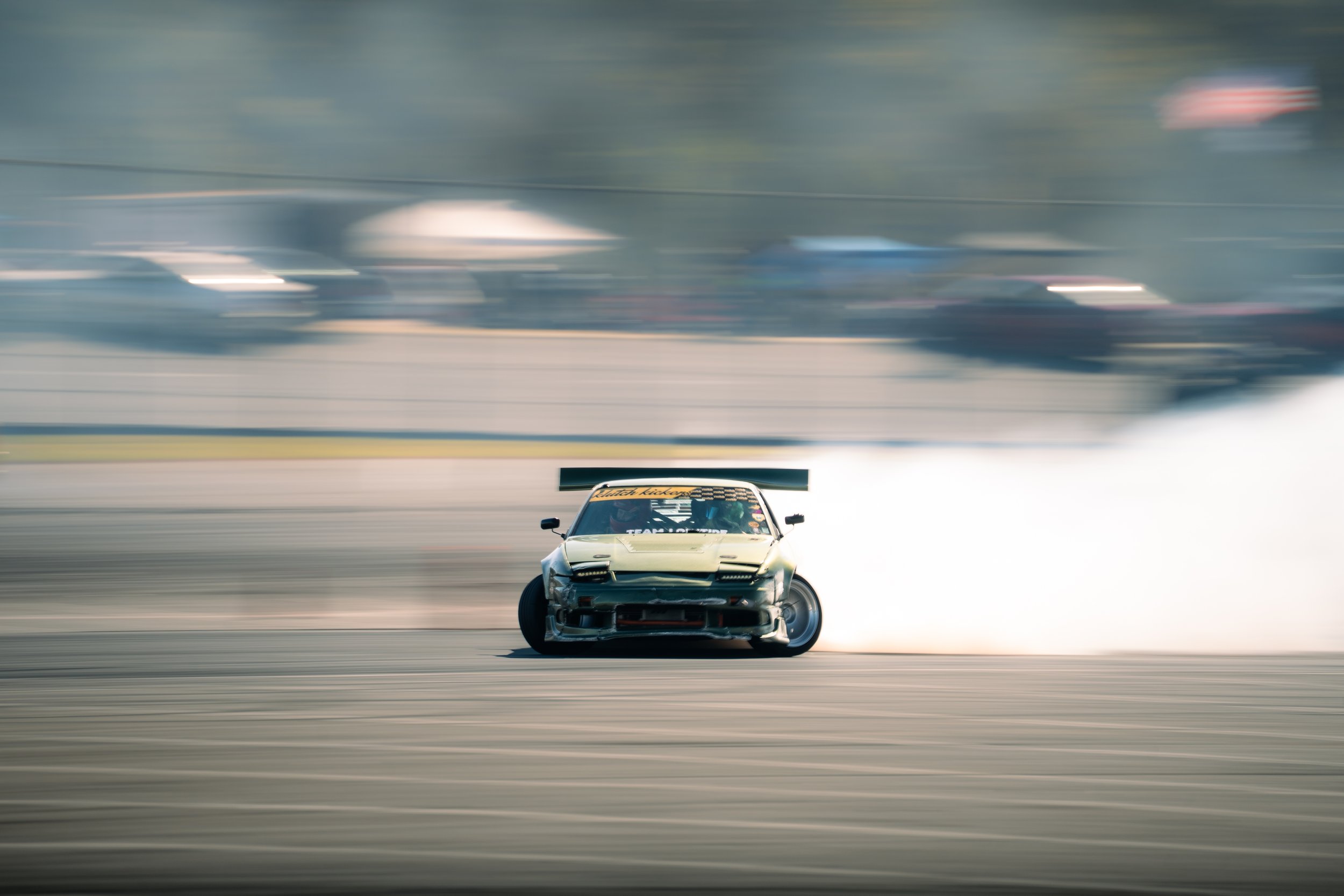
Photo courtesy of DRIFTEM Correspondent Jenna Powers.
Local drifter sliding the track at Cordele Motor Speedway.
This Isn’t Just An Atlanta Drifting Problem.
While Atlanta’s drifting scene is navigating change, it’s far from alone. What’s happening locally reflects a broader shift across grassroots motorsports, where access to tracks is becoming increasingly complicated.
Across the country, racetracks are facing mounting pressure from rising land values, nearby development, and noise-related complaints. Organizations like the Speciality Equipment Market Association (SEMA) have pushed initiatives such as Right to Race legislation, aimed at protecting long-standing motorsports venues from nuisance lawsuits brought by newer surrounding developments.
As SEMA notes, “Most tracks run on narrow margins,” leaving little room to absorb the financial strain of legal battles, rising operational costs, or declining participation. In recent years, that pressure has contributed to the loss or uncertainty of several well-known venues, including Irwindale Speedway and Pat’s Acres Racing Complex, while others like Willow Springs International Raceway have faced questions about long-term ownership and direction.
While Lanier’s case wasn’t a result of nuisance, it’s important to note how commercial real estate, as well as public and private lawsuits have deeply impacted racetracks around the country. In Lanier’s case, Hall County property records show the track was sold in April 2025 to a development group. While few official details have been shared publicly, early plans suggest a shift toward a mixed-use, motorsport-themed development that blends residential housing, retail space, and entertainment amenities.
Located across from Michelin Raceway Road Atlanta, the property sits in a high-value area where land use decisions carry significant financial implications. From a business perspective, that kind of redevelopment reflects broader trends in how motorsport-adjacent land is being reimagined.
At the same time, cultural factors are shaping the conversation as well. The rise of illegal “street takeovers”, that are often mislabeled as drifting in mainstream coverage, has affected public perception, and in some cases, made tracks more hesitant to host events.
“Mainstream media keeps calling takeovers ‘drifting,’” said local drifter Kyle Boatman in addressing local barriers compared to previous years. “It makes a lot of tracks not want to take a chance on hosting or allowing events.”
These pressures point to a broader, systemic challenge that extends beyond Atlanta. From rising land values to shifting development priorities, the challenges facing Atlanta are part of a broader trend impacting grassroots motorsports nationwide.
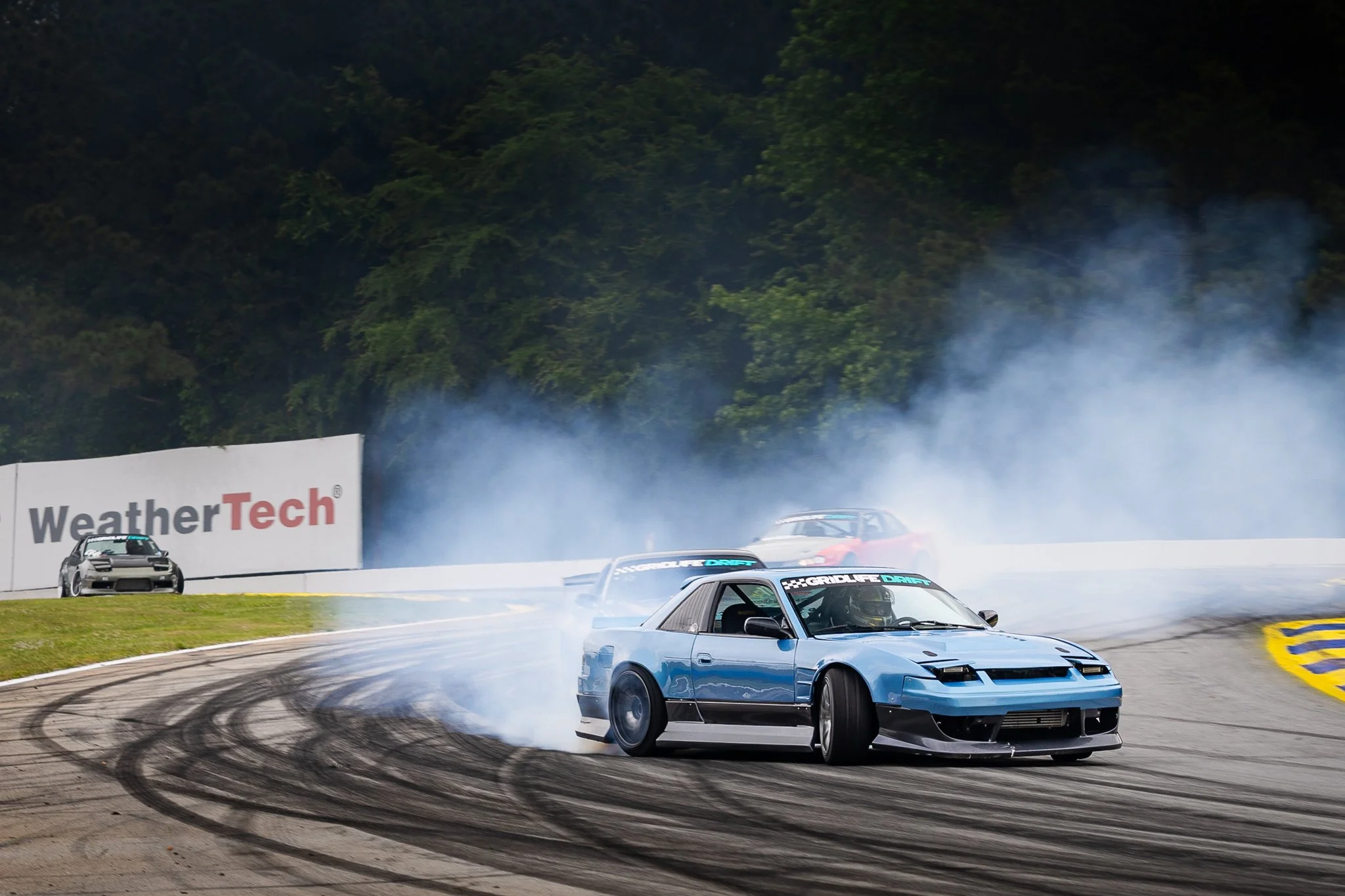
Photo courtesy of DRIFTEM Correspondent Tim Jarvis.
Gregg Bucell leading tandem during GRIDLIFE Atlanta Special Stage 2025.
What DOES Keep Atlanta Drifting Alive?
For all the changes happening in Atlanta, there’s one thing that has remained constant: The People. The drift scene is far from gone, with drivers continuing to find ways to stay connected to the sport.
Hall summed it up best in a single word: “Relentless.”
That persistence is beginning to show up in new opportunities as well. Recent efforts to revive drift events at Cordele Motor Speedway, now led by Hardline Motorsports, signal that organizers are still working to create space for the community.
While the venues may change, the drive to get back on track hasn’t faded. If anything, it’s pushing the scene to evolve and find new ways to keep moving forward.
As Bucell put it, “At the end of the day, if there’s one thing I’ve learned about drifting, it’s that the scene finds a way.”
Also on its comeback tour is the NOPI Nationals, which has historically been hosted in Atlanta at Atlanta Motor Speedway (EchoPark). Featuring everything from drifting, drag racing, autocross, burnout contests, and more, NOPI has been a respected name since the peak 2000’s car show scene.
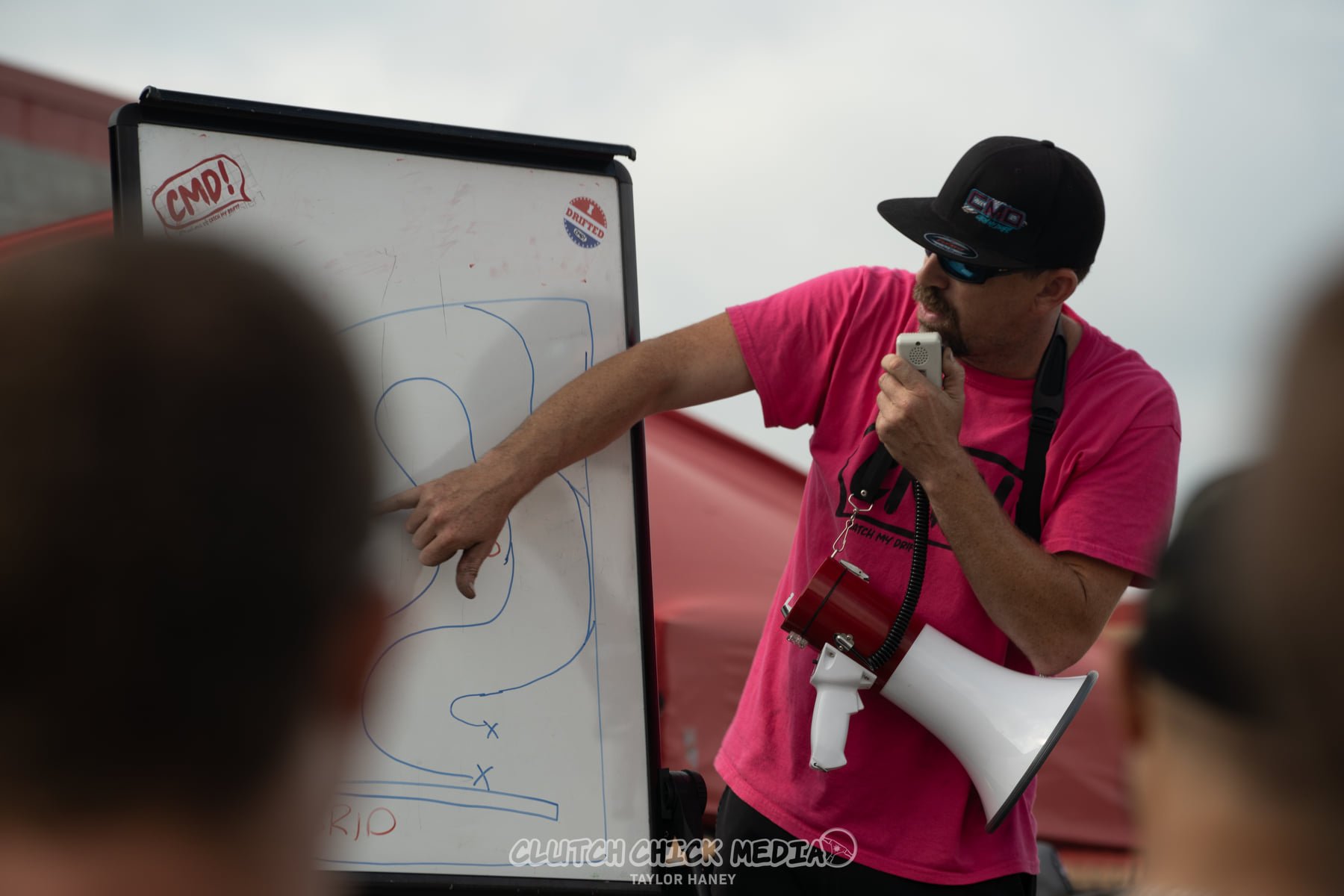
Photo courtesy of DRIFTEM Correspondent Taylor Fitzgerald.
Event staff shows track layout during Catch My Drift event held at Atlanta Motor Speed, 2021.
What Can Be Done For Atlanta Drifting?
While many of the challenges facing grassroots motorsports are complex, there are some ways to advocate for the future of motorsports and engage the community. From a local level, participation is everything. Tracks rely on turnout to justify events, and consistent support from drivers and spectators plays a direct role in whether those opportunities continue. For many in the Atlanta drift scene, simply showing up either to drive, watch, or volunteer is a major part of what keeps things moving forward.
Beyond the community, broader support is becoming increasingly important. In April 2026, Kansas passed the Motorsports Venue Protection Act, a key piece of legislation designed to protect established racetracks from nuisance complaints tied to nearby development. The law grants civil protection to tracks that have operated consistently, preventing newer surrounding property owners from filing complaints that could threaten their existence. In a landscape where rising land values and residential expansion continue to put pressure on motorsport venues, policies like this offer a potential model for preserving access.
A similar bill in Georgia (GA HB1066) was presented to the House committee, but was declared a dead bill in April 2026. The measure would’ve granted “immunity” from public and private nuisance claims against racing facilities.
Track owners, event organizers, and sponsors all play a role in shaping accessible, sustainable events that keep drivers engaged while maintaining long-term viability. While there’s no single solution, the path forward is becoming clearer. When communities show up, organizers continue to host events, and policies evolve to protect these spaces, grassroots motorsports is not only able to survive but it adapts.
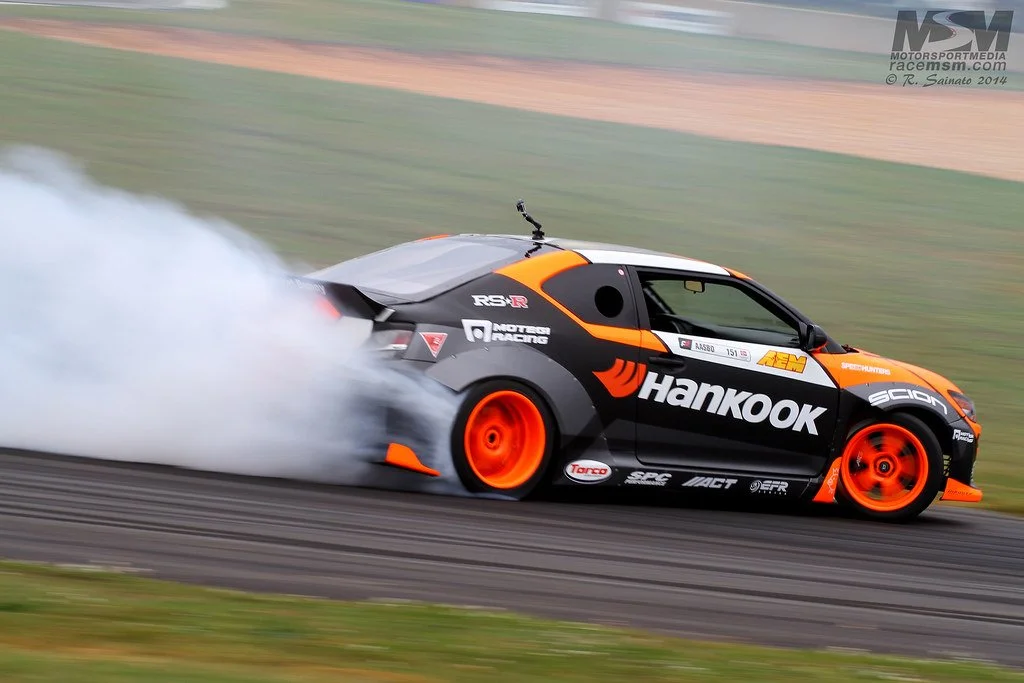
Photo courtesy of Rich Sainato.
Frederic Aasbo competing in his Scion TC at FD Road Atlanta, 2014.
A Drifting Scene That Endures.
While the sun may have set on Friday nights at Lanier Raceway, the reason Atlanta drifters keep showing up hasn’t changed. From early parking lot events to packed nights at the track, the scene has never been defined by a single venue. It’s been built by those willing to street drive their cars, load up what they can, and make the longer trips happen - even when it’s not easy or financially ideal.
The landscape may continue to shift, but Atlanta drifting has already proven something important: Its passion for the sport has always gone hand-in-hand with its ability to adapt. The scene will continue to move forward, one event and one driver at a time.